Line Array Speaker Technology and Industry Development Overview Report
I. Definition and Core Principles of Line Array Speakers
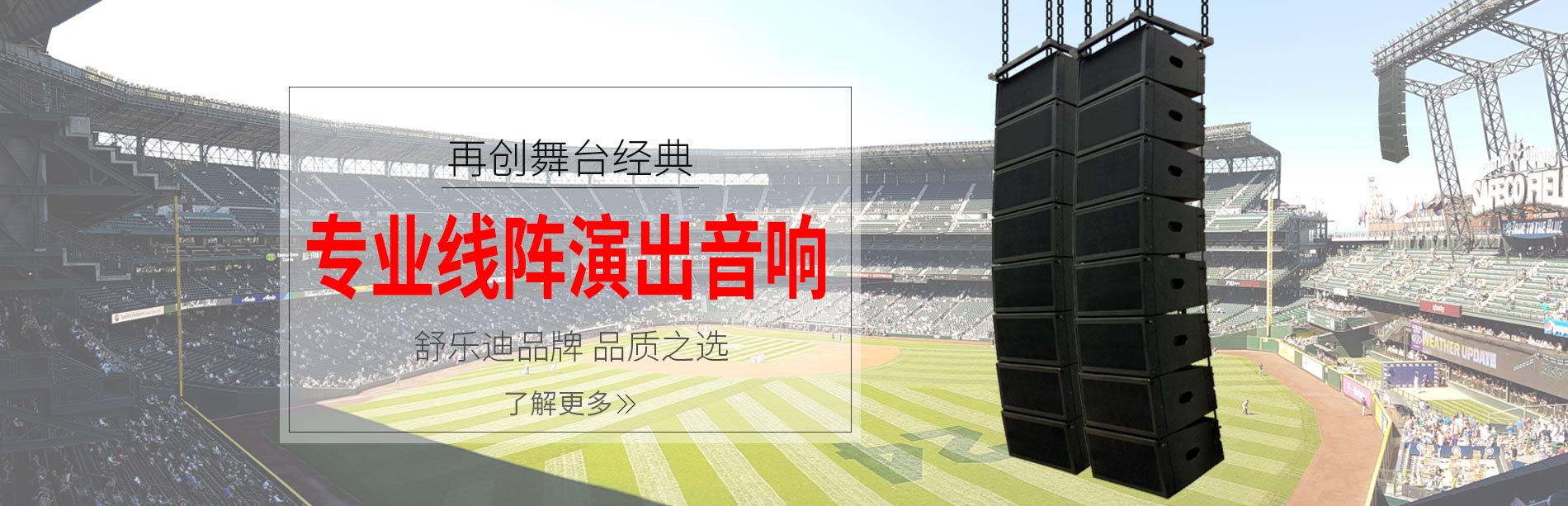
A line array speaker is a modular sound reinforcement system composed of multiple speaker units arranged closely in a straight line or arc. Its core relies on the wavefront coupling principle to achieve precise sound field control. The essential difference between it and traditional point-source speakers lies in its acoustic propagation characteristics: when the spacing between line array units is less than the working wavelength, it forms an approximately cylindrical wave in the vertical direction and maintains a wide coverage of 90°-120° in the horizontal direction, while traditional speakers diffuse as spherical waves. This characteristic brings two core advantages: first, a significantly reduced sound pressure attenuation rate, ideally only 3dB per unit distance (compared to 6dB for traditional speakers), ensuring long-distance transmission capability; second, controllable vertical directivity (adjustable from 5°-15°), effectively reducing ceiling and floor reflections and improving speech clarity.
II. Core Technologies and System Composition
(I) Key Technical Parameters
The core performance of a line array speaker depends on four parameters: frequency response (mainstream full-range modules cover 80Hz-20kHz), sensitivity (affecting sound energy conversion efficiency), maximum sound pressure level (professional-grade can reach over 136dB), and phase consistency (ensuring acoustic coupling between units). Among these, phase consistency and unit spacing design directly determine the directivity control accuracy, which must be achieved through standardized brand models and rigorous production calibration.
(II) System Architecture
* Speaker Module: Employs a multi-unit modular design, consisting of a full-range module (including mid-to-high frequency units) and a subwoofer module (20Hz-200Hz), allowing for flexible combination based on site requirements.
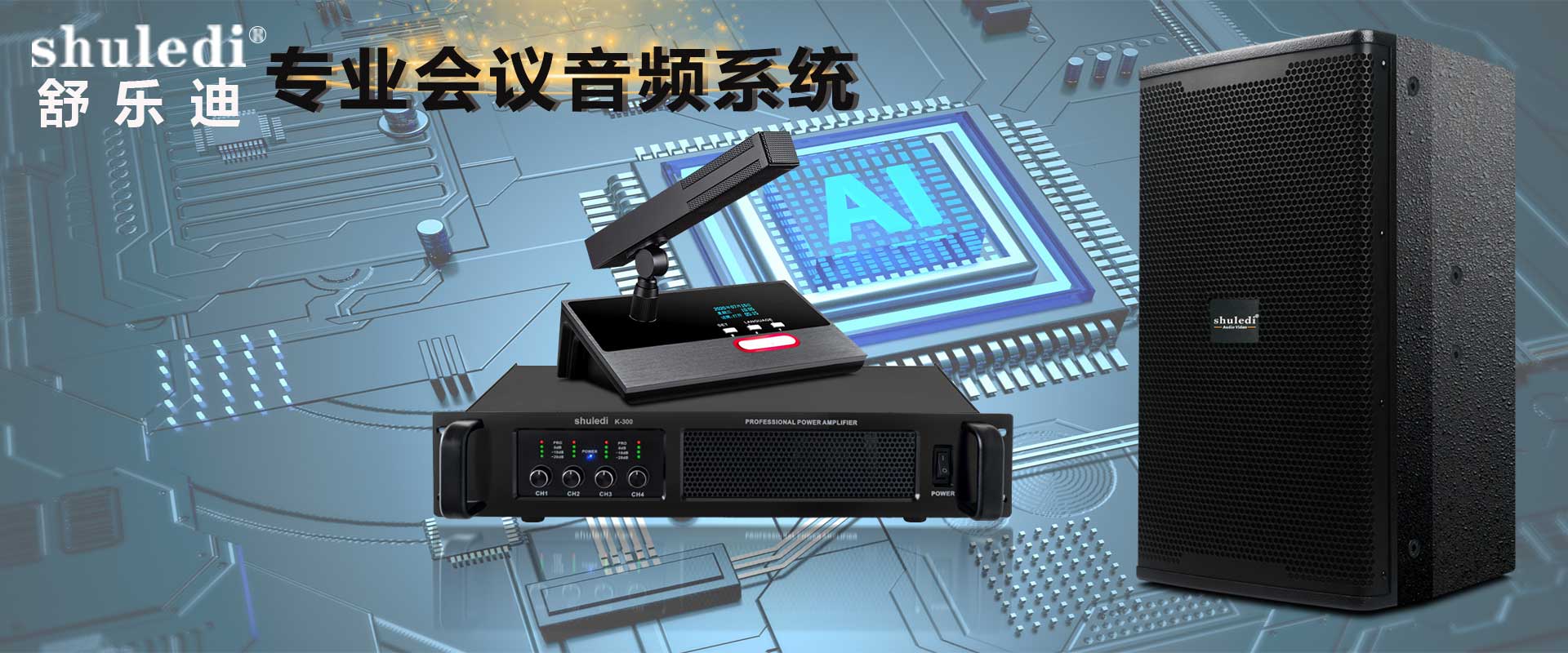
* Supporting Equipment: Includes a power amplifier with power margin (to prevent dynamic distortion) and a digital signal processor (DSP). The DSP enables delay alignment, equalization compensation, and feedback suppression, serving as a core tool for sound quality optimization.
* Auxiliary Systems: Professional hanging components (meeting load-bearing safety standards) and acoustic analysis software (such as EASE and MAPP XT) for simulating sound field distribution and optimizing array parameters.
(III) Installation and Debugging Key Points The system setup requires four key steps: First, site acoustic analysis, measuring parameters such as ceiling height and wall material, and simulating sound wave propagation through software; second, array layout design, adjusting the hanging height and curvature angle according to the coverage distance to ensure that there are no blind spots in sound wave superposition; third, delay correction, the auxiliary speakers must be time-aligned with the main array to avoid sound wave interference; and fourth, multi-point testing, collecting data from different areas through measuring microphones to correct frequency response and sound pressure uniformity.
(II) Indoor Scenarios
Sports Venues: Venues such as the "Ice Ribbon" of the Beijing Winter Olympics need to cover tens of thousands of spectators. Line array systems can achieve uniform coverage with a sound pressure level difference of ≤3dB.
Lecture Halls and Theaters: Effectively suppress reverberation interference, while taking into account speech intelligibility and musical layering, adapting to diverse needs such as academic reports and theatrical performances.